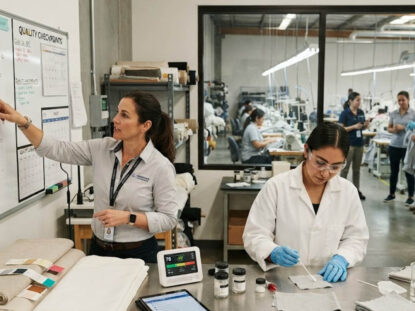
Many fashion businesses are waking up to a simple fact: what you make and how you make it affects both customer health and the bottom line. Prioritizing safer materials and healthier operations reduces risk, protects brand reputation, and opens new market opportunities. This piece outlines practical operational changes that bring health considerations into everyday decisions without inflating costs needlessly. Read on for clear, actionable steps you can implement across sourcing, production, and retail.
Adopting health-forward practices is a process, not a single program. Small changes compound into measurable improvements when they are consistent and tracked.
The case for health-forward operations
Shifting toward healthier materials and procedures starts with recognizing the full cost of traditional practices: regulatory fines, product recalls, and customer distrust can wipe out profit margins. Healthier inputs often improve product quality and reduce returns, while a transparent approach builds loyalty among buyers who care about wellbeing. Investors and partners increasingly expect evidence of risk management around chemicals, worker safety, and product safety. That expectation makes operational shifts part of long-term resilience rather than optional extras.
Ultimately, this is about aligning daily choices—from fabric selection to cleaning protocols—with a brand promise that customers can trust.
Concrete steps to safer materials and supply chains
Start with a targeted audit: identify high-risk materials and processes used in your collections and ask suppliers for test reports and safety data. Replace the most hazardous inputs first and standardize approved-alternative lists that designers can use. Introduce a supplier scorecard that weighs health factors alongside cost and lead time to make sourcing decisions more systematic.
- Audit top 20 SKUs for chemical and material risks.
- Create an approved-materials list and share it with design and sourcing teams.
- Incentivize suppliers with clear timelines and technical support for safer alternatives.
These targeted actions create momentum and make compliance easier to manage as the program scales.
Optimizing workplace wellbeing for teams and stores
Operational health isn’t only about products. Improve ventilation, manage solvent exposure in small production spaces, and standardize ergonomic setups for tech and sewing stations to reduce staff illness and injury. Simple scheduling adjustments and clear rest policies lower burnout and absenteeism, which keeps production on schedule. At retail, curate product displays that highlight low-emission and hypoallergenic items to guide customer choices without heavy-handed marketing.
Small investments in workplace standards often pay back through higher productivity and lower turnover.
Conclusion
Health-centered operations are practical: audit risks, swap hazardous inputs, and make health criteria part of sourcing and design decisions. Track progress with simple KPIs, communicate changes clearly to customers, and support suppliers through the transition. Over time these steps build a brand that is safer, more trusted, and better positioned for steady growth.