Introduction
Events that combine fashion sensibility with wellbeing create more memorable experiences.
Designers and producers are now prioritizing sustainable choices alongside sensory storytelling.
This approach balances aesthetics, audience comfort, and environmental responsibility.
Below we explore practical ways to integrate sustainable style into entertainment programming.
Style as Sensory Storytelling
Style is more than appearance; it shapes how audiences perceive and remember an event. Thoughtful choices in color palettes, textiles, and silhouettes interact with lighting and sound to craft a narrative across senses. When garments and set pieces are selected with tactile and olfactory qualities in mind, performances feel more immersive. Designers who coordinate attire and stage elements can guide mood and focus without relying solely on visuals.
This sensory alignment enhances emotional resonance and keeps messaging coherent. Small details like fabric movement or matte finishes can subtly influence engagement.
Sustainable Fashion Choices for Events
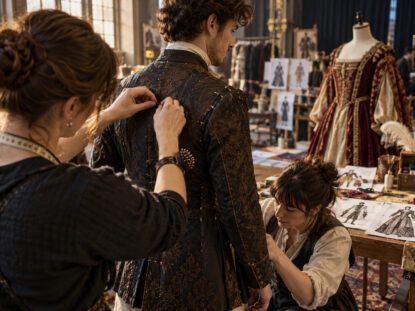
Sustainability in event fashion begins with material selection and lifecycle thinking. Opting for organic, recycled, or low-impact fabrics reduces environmental footprint while maintaining aesthetic quality. Sourcing locally and using rental or upcycled costumes minimize waste and support transparent supply chains. Communicating these choices to attendees reinforces brand values.
- Choose recycled or natural fibers
- Use rental or modular costumes
- Work with local makers and artisans
These tangible steps make sustainable storytelling visible. Attendees appreciate authenticity when sustainability is embedded in the creative process.
Practical Steps for Planners and Designers
Begin every project with a sensory brief that outlines desired emotional outcomes and environmental constraints. Prototype costumes and set pieces to test movement, comfort, and acoustic impact before full production. Collaborate with suppliers who can document materials and production methods to ensure accountability. Build contingency plans for weather, crowd flow, and maintenance to protect both aesthetics and wellbeing.
Collect feedback from performers and audiences to refine future iterations. Over time, these practices create a recognizable standard of care and design excellence.
Measuring Impact and Communicating Values
Measuring the environmental and social impact of fashion choices at events helps stakeholders understand progress and trade-offs. Simple metrics—material sourcing, waste diverted, and local economic support—offer clear indicators of success. Collecting attendee feedback on comfort, accessibility, and perceived authenticity provides qualitative insight into sensory effectiveness. Transparent reporting and storytelling around these outcomes build trust and invite collaboration with partners and sponsors.
Regularly reviewing these measures guides continuous improvement. Sharing results publicly reinforces credibility and encourages industry-wide adoption.
Conclusion
Integrating sustainable style into entertainment elevates both the guest experience and environmental responsibility.
By focusing on sensory coherence, material choices, and practical planning, organizers can produce memorable, ethical events.
These deliberate approaches foster long-term value for audiences, artists, and the planet.