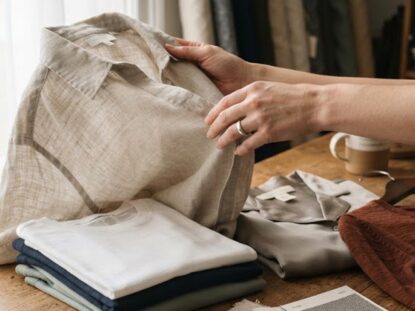
Creating a healthy wardrobe means more than following trends; it is about choosing clothing that supports comfort, longevity, and personal wellbeing. Thoughtful choices can reduce skin irritation, improve breathing and movement, and limit exposure to unnecessary chemicals. This article explains how to evaluate fabrics, adopt mindful dressing habits, and maintain garments for lasting health benefits. The guidance is practical and adaptable to different budgets and lifestyles.
Choosing Materials with Health in Mind
Start by prioritizing natural fibers and responsibly processed materials that allow the skin to breathe and wick moisture. Natural fabrics often reduce the risk of irritation and tend to be more durable, lowering the need for frequent replacement. When selecting items, look for labels that indicate low-impact dyes or certifications that address chemical use and environmental standards. Fit and weave matter as much as fiber; tight weaves can trap heat while loose, structured weaves improve airflow.
- Breathability: cotton, linen, and certain wools are preferable.
- Low chemical finish: look for Oeko-Tex or similar assurances.
- Durability: denser weaves and reinforced seams last longer.
Balancing comfort with performance ensures garments support daily activities without compromising skin health or mobility. Simple assessment and trial can help determine what works best for your routines.
Practical Wardrobe Habits for Wellbeing
How you wear and care for clothing affects its health benefits as much as material choices. Rotate garments to allow fabrics to rest and reduce odor buildup, and launder according to care labels to preserve fiber integrity. Opt for simpler laundry routines with gentle detergents and lower-temperature washes to minimize chemical residues and energy use. Consider layering strategies that manage temperature without relying on tight synthetics close to skin.
- Rotation: avoid wearing the same garment multiple days in a row.
- Gentle care: choose mild detergents and air-dry when possible.
- Layer thoughtfully: combine breathable base layers with insulating outer pieces.
Adopting these habits keeps clothing performing well and minimizes skin and respiratory exposures over time. Small adjustments in daily routines can make care more manageable.
Maintaining and Updating Your Collection
Regular maintenance extends the useful life of clothing and reduces waste, which is a health and environmental win. Mend small issues before they become irreparable, and store garments in cool, dry places to prevent mold and fabric breakdown. When replacing items, prioritize versatile pieces that fulfill several roles rather than single-use fashion buys.
By planning updates and preserving what you already own, you create a practical wardrobe that supports wellbeing and reduces environmental strain. This approach emphasizes quality over quantity in future purchases.
Conclusion
Designing a healthy wardrobe is a manageable process that centers on material choice, care habits, and mindful purchasing. Small changes in fabric selection and maintenance have outsized benefits for comfort and longevity. Over time, these practices contribute to personal wellbeing and a more sustainable wardrobe.