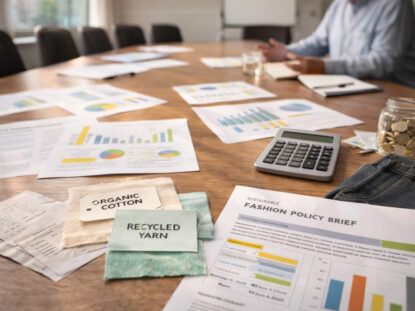
The fashion sector sits at the intersection of economy, culture, and environmental impact, and governance must reflect that complexity. Political choices shape incentives for producers, protect workers, and determine how waste and pollution are managed. A pragmatic governance approach balances regulation, market signals, and support for innovation across supply chains. This article outlines core challenges and pragmatic pathways to govern a fairer, more sustainable fashion transition.
Governance Challenges
Governance of the fashion system faces fragmented supply chains, uneven enforcement, and limited transparency about materials and labour practices. Small and informal producers often operate outside formal regulatory frameworks, which complicates inspection and standards alignment. Data gaps make it difficult to measure environmental footprints and social outcomes consistently across brands and suppliers. These structural issues require coordinated public interventions that recognize diverse industry actors.
Addressing these challenges begins with improving information flows and legal clarity across the value chain. Public institutions must design rules that are enforceable and proportionate to avoid unintended burdens on vulnerable suppliers.
Effective Policy Instruments
Governments can deploy a mix of instruments to guide the fashion transition, including product standards, extended producer responsibility, and targeted procurement policies. Economic tools such as taxes on wasteful practices or subsidies for circular design can shift incentives without dictating design choices. Transparency mandates and traceability requirements help consumers and regulators assess progress and hold actors accountable. Aligning these instruments reduces regulatory overlap and increases predictability for businesses.
Careful sequencing matters: start with clear, testable requirements and gradually introduce market-based measures as monitoring capacity grows. This approach keeps compliance feasible while sending long-term market signals.
Building Multi-stakeholder Collaboration
Durable governance depends on meaningful engagement between government, industry, workers, civil society, and researchers. Collaborative platforms allow stakeholders to co-create standards, share technical assistance, and pilot circular business models. Worker representation and community input are critical to ensure policies protect livelihoods and distribute benefits equitably. Public funding for capacity-building helps small firms meet new standards without being pushed out of markets.
Trust-building mechanisms, such as independent auditing and accessible dispute resolution, strengthen cooperation and encourage voluntary improvements alongside regulation. Partnerships can scale promising practices more rapidly than isolated initiatives.
Practical Implementation Pathways
Start with targeted pilots in priority segments, using clear indicators to evaluate environmental and social outcomes. Develop phased timelines that allow firms to adapt, invest in infrastructure, and upgrade skills. Integrate digital traceability where possible and prioritize investments that reduce the most harm per dollar spent. Monitoring and adaptive management enable adjustments based on evidence rather than fixed assumptions.
Secure public and private finance for transitional costs and reward early movers through recognition programs or procurement preferences. These pragmatic steps reduce resistance and create momentum toward systemic change.
Conclusion
Governing a just and sustainable fashion transition requires a balanced mix of regulation, incentives, and collaborative platforms. Practical pilots, improved transparency, and support for vulnerable actors make ambitious goals achievable. Long-term success depends on iterative learning and policies that align environmental and social objectives.