Local decisions about zoning, manufacturing incentives, and waste rules often determine how the fashion industry operates in a neighborhood. Voters may not see a clothing policy on a ballot, but they feel its effects in jobs, storefronts, and clean streets. These same decisions touch issues voters care about: employment, health, and the quality of urban life. Understanding that connection changes how citizens evaluate candidates and measures.
Policy at the Ballot Box
Municipal and regional policies — from tax breaks for factories to rules for pop-up vendors — directly influence which businesses thrive. Candidates who promise to attract creative industries or protect small retailers can sway local constituencies. Ballot measures about land use, minimum standards for factories, and public procurement all become proxies for larger debates about growth and fairness.
When campaigns tie clothing-sector concerns to everyday priorities, turnout and persuasion shift. Voters respond to concrete examples: a shuttered sewing shop, a new design incubator, or a market that no longer accepts local makers.
Economic Stakes for Communities
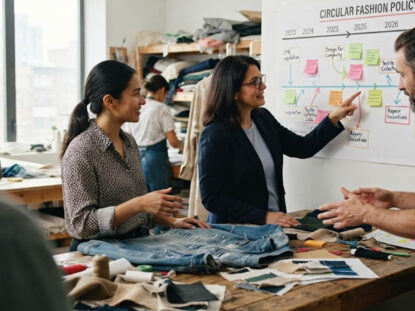
The apparel ecosystem spans designers, manufacturers, logistics, and retail — each affected by policy choices on taxation, training, and infrastructure. Places that invest in workforce development and affordable commercial space tend to keep more economic benefits local. Conversely, lax oversight can export wages and create fragile supply chains that leave workers and neighborhoods exposed.
Policy decisions that look technical on paper have human ripple effects. Elected officials who weigh those implications can either protect local livelihoods or accelerate displacement.
Sustainability and Public Health as Political Issues
Waste management, chemical regulation, and air quality rules intersect with fashion production in ways that affect public health. Communities exposed to untreated discharge or excessive textile waste push these topics into election discourse. Candidates who propose measurable improvements in these areas can build coalitions that include health-focused voters and environmental advocates.
Framing sustainability in terms of cleaner neighborhoods and reduced health risks makes it more tangible than abstract environmental goals. That matters at the ballot box.
Paths for Citizen Influence
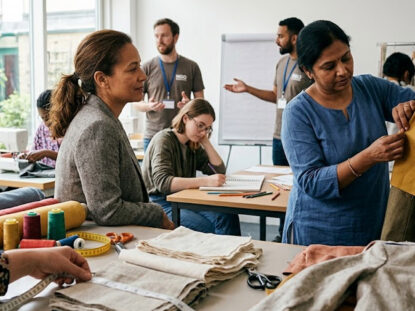
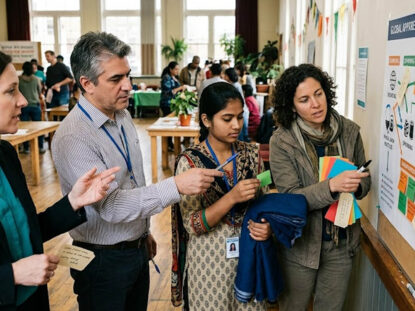
Civic engagement takes many forms: attending planning meetings, supporting local makers, backing ordinances, or voting with procurement policies in mind. Organizing around specific, achievable changes — a living-wage contract for municipal uniform suppliers or incentives for repair businesses — yields clearer outcomes than broad pledges.
Citizens who connect policy details to daily life gain leverage. Elected officials respond when constituents present practical alternatives and measurable asks.
Conclusion
Fashion policy is local politics in fabric form, shaping jobs, health, and urban character. Voters who recognize how ordinances and incentives affect clothing ecosystems can make more informed choices. That awareness turns textile policy from a niche issue into a tool for community priorities.