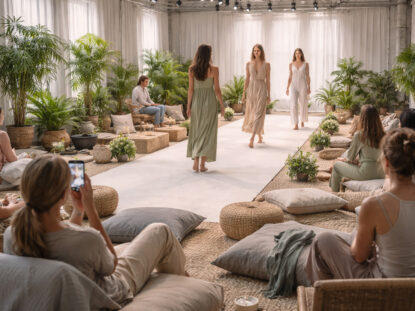
Choosing what to wear each day affects more than appearance; it shapes how you move and feel. Thoughtful wardrobe choices can improve comfort while reflecting personal taste and practical needs. Small adjustments in fabric, fit, and color can make routine outfits feel intentional and supportive. This article outlines approachable strategies to balance ease, style, and self-assurance in everyday dressing.
Prioritize Fit and Fabric
Well-fitting garments create a polished look without sacrificing comfort, and choosing the right fabric reduces irritation and improves breathability. Natural fibers and modern performance blends tend to regulate temperature and drape more gracefully on diverse body types. Pay attention to seams, stretch, and tailoring—minor alterations often yield major comfort improvements. Investing time in proper fit reduces daily distractions and contributes to a more confident presence.
Consider simple tailoring or selecting pieces with slight elasticity to accommodate movement. These practical tweaks allow garments to work with your lifestyle rather than against it.
Build a Versatile Capsule with Purpose
A capsule wardrobe emphasizes interchangeable items that suit multiple occasions and minimize decision fatigue. Focus on neutral foundations mixed with a few accent pieces to adapt looks quickly from casual to semi-formal settings. Quality basics such as a well-cut top, reliable trousers, and a smart layering piece extend outfit options and reduce clutter in your closet. Thoughtfully curated staples support a cohesive aesthetic that feels familiar and empowering.
- Choose 6–10 core pieces that coordinate easily.
- Add 2–3 accent items to rotate seasonal interest.
This approach streamlines daily choices and keeps outfits aligned with personal priorities like comfort, functionality, and style coherence.
Dress For Activity and Mood
Matching clothing to the day’s activities helps maintain comfort while boosting confidence. For active days, prioritize mobility and breathable layers; for desk-heavy schedules, opt for structured but soft garments that support posture without constriction. Color and texture also influence mood—subtle patterns or a favored hue can lift spirits and reinforce identity. By aligning clothing with both physical demands and emotional needs, outfits become tools for well-being rather than mere decoration.
Plan outfits around planned tasks and include a few adaptable pieces for unexpected changes. Small additions like a comfortable shoe choice or a lightweight layer make transitions smoother.
Conclusion
Mindful wardrobe decisions combine fit, fabric, and versatility to support everyday life. Prioritizing comfort and coherence reduces friction and enhances self-assurance. With a few intentional choices, your daily style can become both practical and uplifting.