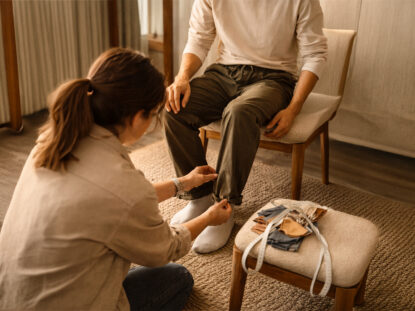
Clothing is more than appearance; it influences how we move, breathe, and feel throughout the day. Thoughtful garment choices can reduce irritation, improve posture, and support temperature regulation in everyday settings. As readers increasingly seek health-oriented lifestyle tips, simple wardrobe changes offer accessible gains without dramatic overhauls. This article explores practical fabric, fit, and care strategies that promote comfort and wellbeing in daily life.
These suggestions aim to be actionable for a broad audience and to integrate smoothly into existing routines. They balance aesthetics with function so readers can look and feel better without sacrificing style.
Why Fabric and Fit Matter
The materials you choose determine breathability, moisture management, and tactile comfort against the skin. Natural fibers often offer better airflow and fewer allergic reactions, while modern technical fabrics can wick moisture and dry quickly for active days. Fit influences movement; garments that are too tight can restrict circulation and cause chafing, whereas overly loose pieces may lead to discomfort from rubbing or bunching. Prioritizing both fabric and fit helps minimize physical stressors that accumulate over long hours.
Evaluating labels and trying on clothing in natural positions—sitting, reaching, walking—helps identify pieces that support comfort. Small fit adjustments, like choosing a slightly higher rise or softer waistband, can make a measurable difference.
Practical Wardrobe Adjustments for Daily Comfort
Start by auditing current wardrobe pieces for wear points, harsh seams, or stiff linings that contact sensitive areas. Swap rough tags and tight elastics for tagless options and gentle waistbands, and consider layering with breathable undergarments to regulate temperature. Incorporate versatile staples in neutral colors that combine easily while prioritizing stretch in key zones like shoulders and hips. For shoes, choose supportive soles and breathable uppers to reduce fatigue and mold to foot shape over time.
Make incremental changes seasonally to avoid waste and to test what works best for your routine. Small swaps—a softer tee, a pair of supportive flats—often yield immediate comfort improvements.
Maintaining Garments to Preserve Health Benefits
Proper care extends garment life and maintains their comfort properties; washing with gentle detergents and following temperature guidelines keeps fabrics soft and functional. Repairing small issues like loose threads, worn elastic, or minor tears prevents them from becoming sources of irritation. Rotate frequently worn items to reduce buildup of sweat and oils that can degrade materials, and air garments when possible to keep them fresh without over-washing. Thoughtful storage reduces creases and preserves shape, helping clothes perform better day to day.
Care routines that align with fabric needs save money and sustain comfort advantages over time. Treat clothing as an investment in daily wellbeing rather than disposable fashion.
Conclusion
Small, intentional choices in fabric, fit, and care can noticeably improve everyday physical and mental comfort. By assessing how garments feel in movement and adapting pieces gradually, readers can create a wardrobe that supports wellbeing without sacrificing style. These practical steps make healthier dressing accessible and sustainable for daily life.