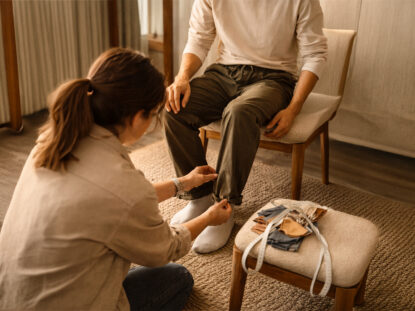
Small choices in what we wear can have outsized effects on comfort, movement, and daily energy. Selecting appropriate fabrics and fits reduces irritation, improves temperature regulation, and supports sensible activity. An informed wardrobe reflects both personal style and practical wellbeing priorities. These considerations are relevant for anyone seeking to feel better in their clothes every day.
Thoughtful dressing does not require radical change or large expense. It begins with awareness of how garments interact with daily routines.
Why fabric and design influence wellbeing
The fibers and construction of a garment determine breathability, stretch, and tactile comfort, all of which affect physical sensations throughout the day. Natural and engineered textiles each offer strengths—some wick moisture effectively while others provide durable insulation—so matching fabric properties to expected activity matters. Design choices like seam placement, collar height, and waistband elasticity influence pressure points and freedom of movement. Considering these elements reduces friction, overheating, and unnecessary adjustments, which in turn minimizes distraction and discomfort.
Understanding fabric behavior helps consumers prioritize items that actively support comfort rather than simply looking good on a rack. Small design details often make the biggest difference.
Choosing materials and fit for daily comfort
Selecting the right materials starts with identifying typical daily conditions: climate, activity level, and time spent seated versus moving. Aim for breathable fabrics in warmer environments and layered options for variable temperatures; prioritize gentle stretch where mobility is essential. Fit is equally important—clothing should allow a full range of motion without pinching or riding up, and sizing that accommodates natural posture prevents tension. Try on pieces with the movements of a typical day rather than only standing still to assess real-world fit.
Investing in a few well-fitting staples often yields greater comfort than many trendy, ill-fitting purchases. Prioritize pieces that feel good during the longest parts of your day.
Practical garment care to sustain performance
How you launder and store clothes affects their longevity and comfort features such as breathability and elasticity. Follow care labels to maintain fabric properties, use gentle cycles for delicate fibers, and avoid over-drying which can weaken fabrics and seams. Regularly repairing small damage like loose stitches or worn elastic extends garment life and preserves fit. Proper storage—folding knitwear, hanging structured pieces—prevents deforming that compromises comfort.
- Wash only when necessary to reduce wear.
- Use appropriate detergents for fabric type.
- Replace worn elastic or padding promptly.
Consistent, simple care routines keep favorite items performing well longer and reduce pressure to replace clothes frequently. That supports both comfort and more sustainable consumption.
Conclusion
Everyday wellbeing in clothing comes from matching fabric, fit, and care to real life needs. Small, consistent choices deliver ongoing comfort and reduce distractions. Build a wardrobe that supports living well rather than simply following trends.