Store layout is usually discussed in terms of sales flow and visual merchandising, but its influence on employee health is often overlooked. A thoughtful floor plan reduces unnecessary walking, limits awkward lifts, and creates quieter, less stressful work zones. Small changes cut fatigue, lower injury risk, and improve focus, which translates to better service and fewer sick days. This article outlines practical layout shifts and policy tweaks managers can implement without a major renovation.
Why layout matters for staff health
Physical space shapes the daily habits of retail teams: where they stand, how they reach, and how often they move. Narrow aisles or cluttered stockrooms force repetitive reaching and twisting that accumulates into strain. Poor sightlines and cramped registers create bottlenecks and elevate stress during busy periods. Recognizing these patterns helps prioritize changes that have measurable benefits for wellbeing.
Design decisions also affect mental load. A clear, organized environment reduces the cognitive effort required to locate items or manage queues. That ease supports calmer, more efficient shifts and fewer errors.
Design changes that reduce physical strain
Start with circulation: create predictable routes between stock, register, and fitting rooms to cut unnecessary steps. Widen main aisles and keep backstock close to sales floors to shorten transfer distances. Invest in ergonomic fixtures—adjustable-height counters, stools for prolonged tasks, and anti-fatigue mats at standing stations. Lighting and signage that reduce glare and eye strain also lower overall fatigue.
- Map high-traffic paths and remove obstacles that force detours.
- Place frequently picked items at waist height to avoid bending and reaching.
- Use modular displays that can be reconfigured for different staffing levels.
- Install slip-resistant flooring in receiving and stock areas.
Many of these modifications are low-cost but yield quick returns in comfort and fewer musculoskeletal complaints. Prioritize fixes that address frequent complaints first.
Operational policies that reinforce healthy design
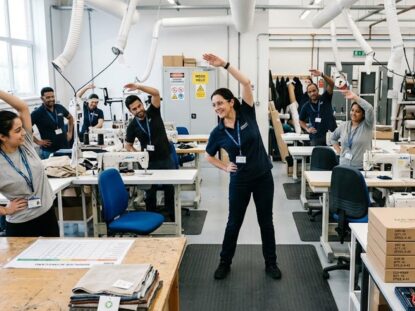
Layout improvements work best when coupled with policies that spread physical demands across a team. Scheduled rotations keep any one person from performing the same physically demanding task for hours. Break protocols, with active-rest options or brief stretches, reduce cumulative strain. Regular training on safe lifting and proper use of tools embeds good habits into daily routines.
- Implement short, staggered breaks to reduce continuous standing.
- Create lift-assist guidelines and provide carts for heavy transfers.
- Hold quick refreshers on posture and workstation adjustments.
Track incident reports and staff feedback to fine-tune both layout and practices. A data-informed approach ensures limited resources go to the highest-impact changes.
Conclusion
Reworking retail layouts with employee health in mind is an investment that pays in reduced injuries and improved morale. Simple, targeted changes—paired with sensible policies—deliver practical benefits without major capital expense. Start small, measure outcomes, and scale what works for your team.