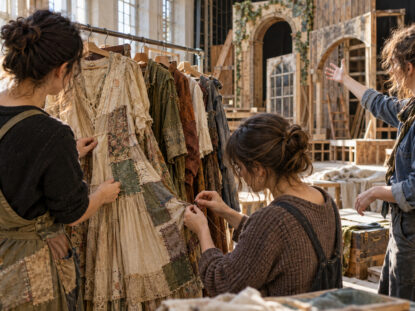
Costume and fashion are powerful tools in entertainment that shape audience perception and emotional response. Wardrobe choices communicate character, period, and social context without a single line of dialogue. When designers collaborate with directors and actors, clothing becomes an active element of storytelling. This article explores how style decisions influence narratives across film, television, theater, and live events.
Visual Characterization Through Clothing
Clothing provides immediate visual cues that help viewers understand a character’s background, personality, and evolution. Costume elements like color palettes, texture, and silhouette serve as shorthand for traits such as confidence, vulnerability, or transformation. Thoughtful wardrobe design supports actors, enabling subtle performance choices that feel authentic and grounded. In many productions, costumes are deliberately adjusted over time to reflect a character’s arc.
Designers often collaborate closely with costume supervisors and directors to align garments with narrative beats. This teamwork ensures that clothing enhances rather than distracts from the story. When executed well, costumes become inseparable from the characters they dress.
Setting Tone and Period with Fabric and Detail
Fabric choices and construction techniques anchor a production in a specific era or world, informing the audience subconsciously about time and place. Period dramas rely on accurate materials and tailoring to build credibility, while speculative projects use inventive textiles to suggest alternate realities. Accessories and small details—buttons, stitching, and worn hems—add depth and realism. These tactile components contribute to immersive worldbuilding that supports the narrative framework.
Attention to detail also helps marketing and visual design teams create striking promotional imagery. Strong costume work translates directly into memorable visual identity for a project.
Performance and Movement: Designing for Actors
Costumes must balance aesthetics with functionality so actors can move, emote, and perform stunts without constraint. Tailoring and fabric weight influence how a garment behaves on camera and how it supports choreography or physical comedy. Designers test garments in rehearsals to refine fit and ensure that costume choices enhance performance rather than impede it. Practical design choices often improve both comfort and believability on screen.
- Flexible fabrics for action sequences
- Layering for quick character changes
- Durable construction for repeated takes
When designers prioritize movement, costumes elevate scenes and allow actors to inhabit characters more fully. Functional design decisions often become invisible strengths that enrich the viewing experience.
Conclusion
Costume and style are integral elements of storytelling that shape character, tone, and audience engagement. Thoughtful design transforms clothing into narrative language that supports performance and worldbuilding. Investing in strong costume work yields richer, more resonant entertainment experiences.