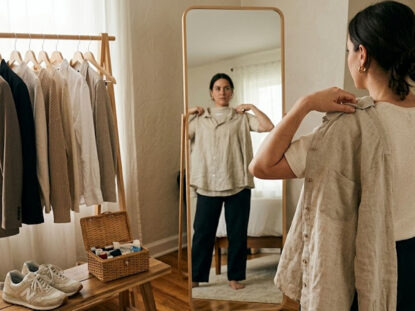
Fashion and entertainment intersect more than charts and red carpets; they influence daily habits and public perceptions. When creativity meets wellness, audiences gain new ways to think about comfort, sustainability, and self-expression. This piece explores how mindful styling and curated experiences can promote healthier choices without sacrificing flair. Readers will find practical ideas for events, wardrobe choices, and community initiatives that balance enjoyment with wellbeing.
The crossover of style and wellbeing
Designers, performers, and producers increasingly consider wellbeing as a design principle rather than an afterthought. Materials, lighting, and ergonomics affect how people feel in spaces and clothes, influencing posture, mood, and movement. When entertainment programming includes accessible seating, clear wayfinding, and calm zones, audiences can engage longer and more comfortably. Similarly, clothing that blends breathable fabrics with expressive silhouettes invites sustained wear and reduces the impulse to overconsume.
This crossover creates opportunities for creators to tell stories that prioritize physical comfort and mental ease. It also gives consumers permission to choose pieces and experiences that support daily health routines.
Events and experiences that promote mindful dressing
Curated events can model balanced choices through workshops, live demonstrations, and inclusive styling showcases. Pop-up markets that prioritize locally made, low-impact garments connect entertainment with sustainable supply chains and community learning. Programming that integrates movement, stretch sessions, or quiet chill-out zones encourages attendees to move and rest within one setting.
- Style swap nights to extend garment life and build community.
- Interactive wardrobe clinics that teach repair, tailoring, and mindful shopping.
- Performance intervals that include gentle movement breaks or seated engagement options.
Organizers who design with wellbeing in mind reduce barriers to participation and promote healthier audience habits. These practices foster long-term relationships between creators and their communities.
Practical tips for entertainers and audiences
Performers can prioritize layered, breathable costuming and mindful rehearsal schedules to protect vocal and physical health. Audiences benefit from choosing fits that allow movement and packing essentials like water and supportive footwear. Both groups should advocate for venues that provide clear access, decent acoustics, and adequate rest spaces. Small changes in production timing and wardrobe choices reduce stress and make events enjoyable for a wider range of people.
By embracing accessible design, the entertainment sector can model sustainable consumption and wellbeing. Practical adjustments help everyone feel included and more likely to return.
Conclusion
Entertainment and fashion are powerful platforms for promoting everyday health through thoughtful design and programming. When creators and audiences prioritize comfort, sustainability, and accessibility, events become more enjoyable and responsible. Small, intentional choices accumulate into meaningful cultural shifts that celebrate both style and wellbeing.