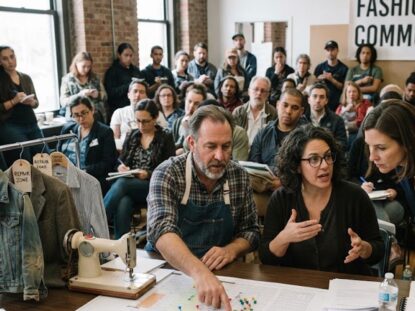
The intersection of fashion and politics is increasingly visible at the local level, where regulations and civic debates shape what communities wear, produce, and purchase. Designers, retailers, advocacy groups, employers, and elected officials all contribute perspectives that influence policy outcomes. Understanding the mechanics of local fashion policy helps advocates craft persuasive messages and realistic proposals tailored to municipal priorities. This article outlines practical approaches for engaging stakeholders, designing pilots, and measuring the public impact of fashion-related policies.
Policy Drivers
Local policy around apparel, production facilities, waste management, and procurement often responds to economic goals, public health concerns, and environmental pressures. Municipal leaders use zoning, licensing, and buying rules to reward sustainable suppliers or to limit certain manufacturing practices. These levers create incentives that change how brands operate and communicate at the neighborhood level. Local political culture and procurement budgets also shape ambition and timelines, which clarifies where advocates should focus research and outreach.
Framing recommendations around those priorities increases the chance of meaningful change. Tailoring language to fiscal, labor, or environmental goals helps build cross-sector support.
Stakeholder Coalitions
Effective coalitions combine voices from industry, unions, environmental groups, and community organizations to present balanced proposals to municipal decision makers. When stakeholders share data and co-author recommendations, policymakers are more likely to see reforms as practical rather than ideological. Mapping stakeholder interests early reveals allies, potential opponents, and neutral parties who can be persuaded by evidence. Including educators and youth groups broadens reach and ensures longer-term buy-in, which strengthens political durability.
Coalitions that invest time in joint messaging tend to weather political shifts more successfully. Clear leadership and shared metrics maintain momentum across election cycles.
Local Advocacy Tactics
Advocates should deploy a mix of tactics: targeted meetings with council members, public hearings, localized research briefs, and constituency stories that make abstract policy tangible. Digital campaigns can amplify grassroots voices but remain most persuasive when complemented by in-person engagement and small-scale demonstrations. Small pilots or demonstrator projects often lower perceived risk and provide concrete results for skeptical officials. Timing advocacy around budget cycles or local elections increases leverage and opens policy windows for reform.
A tactics mix grounded in local realities increases credibility and helps build incremental wins. Flexibility lets advocates adapt as political windows open or close.
Measuring and Communicating Results
Measuring outcomes requires defining indicators tied to policy objectives: job creation, pollution reduction, procurement savings, or small-business resilience. Simple, repeatable metrics and transparent reporting strengthen trust and enable replication across jurisdictions. Visual dashboards and one-page summaries translate technical findings for busy decision makers and community members. Benchmarking against comparable municipalities provides context and helps refine program design for broader adoption.
Consistent measurement turns pilot successes into scalable policy arguments. Communicating wins in plain language helps sustain public support and attract funding for next steps.
Conclusion
Local fashion policy is a pragmatic lever for community goals.
Thoughtful coalitions, targeted tactics, and clear metrics make advocacy effective.
Sustained engagement turns experiments into lasting policy.