Choosing clothing with intention supports both personal wellbeing and a confident sense of style. Small decisions about fabric, fit, and care can influence comfort, longevity, and environmental impact. This article explores practical approaches to build a wardrobe that feels good and lasts. Read on for actionable steps that balance health, aesthetics, and sustainability.
Adopting mindful habits doesn’t require a complete overhaul. Start with a few thoughtful swaps and observe the benefits.
Choosing Fabrics That Support Comfort
Natural fibers like cotton, linen, and wool breathe well and often reduce skin irritation compared with some synthetic textiles. Consider blends that balance durability and softness for pieces you wear frequently. Think about the conditions where garments will be worn — breathability matters for active days and layered insulation helps in cooler settings. Choosing materials with transparent supply information can also reduce exposure to harmful treatments.
Pay attention to how fabrics feel against your skin and perform through repeated use. Prioritize comfort without sacrificing your preferred aesthetic.
Fit and Function: Prioritizing Movement
A proper fit supports posture and freedom of movement, which contributes to daily comfort and reduces strain during routine activities. Avoid overly tight garments that restrict breathing or circulation, and steer clear of excessively loose items that impede movement. Tailoring key pieces can transform comfort and extend the life of garments. Look for adjustable features like elastic waistbands, vents, and stretch panels for versatile wear.
Investing in a few well-fitting staples can make dressing simpler and more pleasant each day. Fit matters more than following every trend.
Care Practices That Extend Lifespan
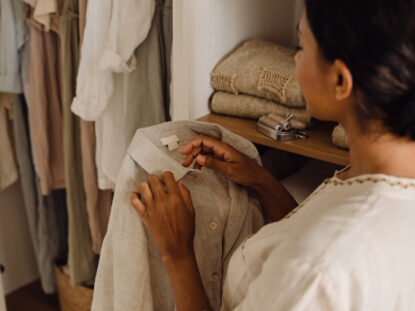
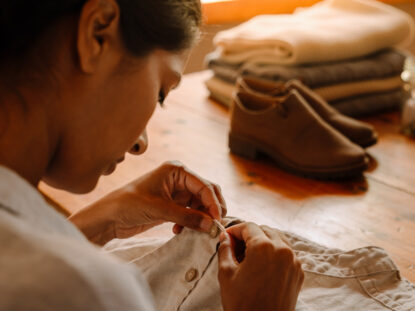
Simple laundry habits dramatically influence how long clothing lasts: wash less frequently when appropriate, use gentle detergents, and air dry to reduce fiber degradation. Repairing small tears, replacing buttons, and reinforcing seams delay replacement and save resources. Store items properly to prevent misshaping and sun damage, and rotate pieces to avoid wearing out favorites too quickly. These practices keep garments functional and reduce the need for frequent purchases.
- Use mesh bags for delicate items.
- Follow care labels and lower wash temperatures.
- Schedule minor repairs promptly.
Routine care is a low-effort way to support both personal comfort and sustainable habits. Small maintenance tasks compound into meaningful savings.
Building a Versatile, Lasting Wardrobe
Focus on a cohesive palette and mix-and-match silhouettes to maximize outfit options while minimizing quantity. Choose multifunctional pieces that transition between work and leisure and prioritize timeless cuts over ephemeral fads. Assess purchases by frequency of wear rather than initial cost, and consider quality as an investment in comfort and performance. Capsule principles can guide curated choices that align with personal needs.
Intentional selection reduces clutter and fosters a wardrobe that serves daily life. Embrace adaptability and quality as your guiding criteria.
Conclusion
Mindful clothing choices enhance daily comfort, support longer garment life, and reduce environmental impact. By prioritizing fit, fabric, care, and versatile design, you create a practical wardrobe that complements wellbeing. Small, consistent decisions lead to lasting benefits for both you and the planet.