Clothing can do more than make you look put together; it can help your day feel easier. Small choices in fabric, fit and footwear reduce friction, irritation and wasted energy. This article focuses on practical, repeatable habits that make everyday dressing more comfortable without sacrificing style. Read on for straightforward adjustments you can try next time you plan an outfit.
Start with a few reliable pieces and a simple routine to avoid morning wardrobe stress. The suggestions below are flexible and intended to fit different lifestyles and climates. None require a full closet overhaul—small swaps often deliver the biggest payoff.
Choose Fabrics That Work with Your Life
Natural fibers like cotton, linen and wool breathe well and often feel softer against skin, especially when you’re active or sitting long hours. Blends with a touch of stretch keep shape and move with your body, preventing tugging or pinching at seams. Consider moisture-wicking options for hotter days and softer knits for cooler ones so you don’t need to constantly adjust what you’re wearing. Fabric choice matters more than trend labels when comfort is the goal.
Rotate fabrics by activity: breathable pieces for active days, insulating layers for cooler schedules. Keeping a small set of go-to materials simplifies packing and outfit decisions.
Mind the Fit and the Details
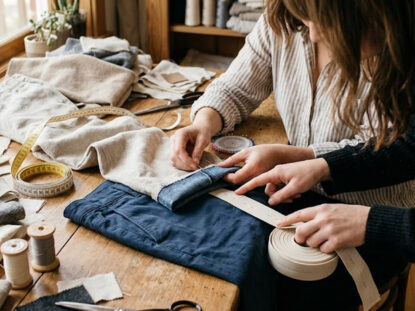
Fit isn’t just about size labels; it’s about allowance for movement. Look for garments with enough room at the shoulders and hips, and avoid overly tight waistbands that sit on your natural movement points. Small design details—flat seams, covered buttons and wider straps—cut down on chafing and discomfort. Tailoring inexpensive pieces can transform fit more cheaply than buying entirely new items.
When trying something on, mimic how you’ll actually wear it during the day: sit, reach, and walk to ensure it performs. A few minutes of testing saves repeated discomfort later.
Shoes, Pockets and Simple Functionality
Shoes deserve attention: a slightly roomy toe box and supportive sole matter more than heel height for daily wear. Testing shoes on both short and long walks helps you judge real comfort, not just appearance. Thoughtful pocket placement or a low-profile crossbody can free your hands without adding bulk, and elastic waistbands or discreet drawcords offer flexibility when schedules change.
Practical details add up—choose footwear and accessories that align with how you move, rather than forcing your routine to fit your outfit. Little conveniences reduce friction throughout the day.
Conclusion
Comfortable dressing comes down to sensible fabrics, honest fit and functional details tailored to your life. Small, intentional swaps make outfits easier to live in without compromising personal style. Build a short list of reliable pieces and let them carry you through busy days with less fuss.