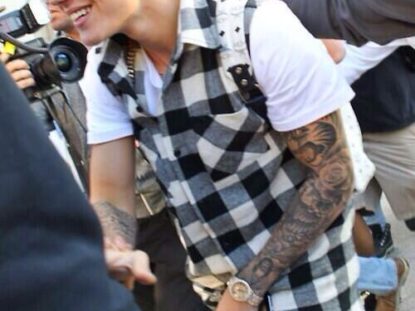
Costume and style do more than dress actors; they shape how stories are read and remembered.
Thoughtful design provides visual shorthand for time, mood, and motivation.
Audiences decode fabrics, colors, and silhouettes to form immediate assumptions about character.
For creators, aligning wardrobe choices with narrative intent deepens emotional impact while supporting practical production needs.
This article explores how style operates as a storytelling tool in live and filmed entertainment.
Designing for Character and Context
Designers start by interpreting the script to identify what clothing must communicate about each character. They consider silhouette, texture, and color palette to signal age, status, and psychological state. Period pieces require historical accuracy balanced with contemporary readability so audiences can connect. Practical concerns such as movement, quick changes, and camera-friendly materials also shape decisions during the design phase.
Strong costumes respond to context: a garment that tells a backstory on stage should read clearly from a distance, while film costumes need subtler details for close-ups. Research, fittings, and iterative prototypes ensure that clothing supports rather than distracts from performance.
Visual Rhythm and Costume as Narrative
Costume choices contribute to the visual rhythm of a production by creating recurring motifs and contrasts. A repeated accessory or color shift can mark character development or emotional turns without dialogue. In film, wardrobe transitions are coordinated with lighting and camera movement to accentuate narrative beats. Onstage, quick changes and layered costumes can heighten tension and surprise while maintaining coherence with the story arc.
When costume changes are planned as narrative devices, they enhance pacing and help guide audience attention. Thoughtful sequencing of looks reinforces themes and can turn clothing into a subtle storyteller.
Collaborating Across Creative Teams
Costume designers collaborate closely with directors, production designers, lighting technicians, and performers to ensure a unified visual language. Communication about color temperature, fabric reflectivity, and movement needs prevents conflicts during rehearsals and shoots. Budget constraints and scheduling pressures require creative problem-solving so that artistic aims remain achievable within practical limits. Wardrobe supervisors translate design concepts into durable, repeatable solutions for performances and takes.
- Early sketches and mood boards align teams.
- Cross-department tests avoid last-minute adjustments.
Effective collaboration helps costumes support choreography, camera blocking, and lighting plans. When teams iterate together, the final result feels seamless and elevates the storytelling.
Conclusion
Style functions as an indispensable layer of storytelling that shapes audience understanding.
Design choices must balance narrative clarity with practical production realities.
When costume and creative teams align, clothing becomes a powerful, integrated element of the story.