Choosing what we wear is about more than appearance; it affects comfort, confidence, and daily habits.
Thoughtful clothing choices can reduce stress, improve movement, and support mental clarity throughout the day.
This article explores practical approaches to building a wardrobe that aligns with personal wellbeing and longevity.
The aim is to offer actionable ideas that respect both health and the environment.
The connection between garments and wellbeing
Clothing influences wellbeing through physical comfort, sensory experience, and ease of care, which together shape daily routines and mood. When garments fit well and are appropriate for typical activities, they reduce distractions and physical strain. Fabrics that breathe and move with the body can lower irritation and help regulate temperature through long days of work and leisure. Additionally, knowing how to maintain items easily reduces decision fatigue and clutter in a busy life.
Understanding this connection encourages selecting pieces that serve practical needs while reflecting personal style. Thoughtful choices help build a functional wardrobe that supports wellbeing rather than detracts from it.
Practical habits for a wellbeing-focused wardrobe
Start by auditing what you wear most and identify gaps where function or comfort is missing, then fill those gaps deliberately. Prioritize versatile pieces that layer well and fit current activities, so outfits are simple to assemble and adapt. Create a routine for repairs and seasonal rotation to extend garment life and minimize wasteful impulse buys. Develop a capsule approach for core items and supplement with a few expressive pieces to maintain variety without excess.
Adopting small, repeatable habits like regular mending and mindful shopping transforms a chaotic closet into a supportive system. Over time these practices save money, reduce stress, and reinforce a healthier relationship with clothing.
Choosing fabrics and caring for garments
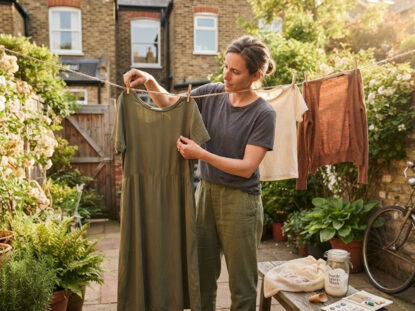
Fabric choice matters for comfort, maintenance, and environmental impact; natural fibers often offer breathability while some modern blends provide durability and stretch. Learn care labels and adjust washing, drying, and storage practices to match fabric needs, which helps garments perform longer and feel better. Consider low-impact laundering strategies—cold washes, air drying, and gentle detergents—to preserve textiles and reduce energy use. When possible, choose pieces designed for longevity rather than disposable trends.
Proper care habits extend the useful life of clothing and maintain a consistent, comfortable wardrobe. These choices ultimately support wellbeing by reducing irritation, saving time, and fostering confidence in daily dress.
Conclusion
Thoughtful clothing choices and simple care routines can improve comfort, reduce stress, and support sustainable habits.
Small changes—like prioritizing fit, learning basic repairs, and choosing fabrics wisely—add up over time.
A deliberate wardrobe fosters wellbeing by making everyday dressing easier and more restorative.