Introduction
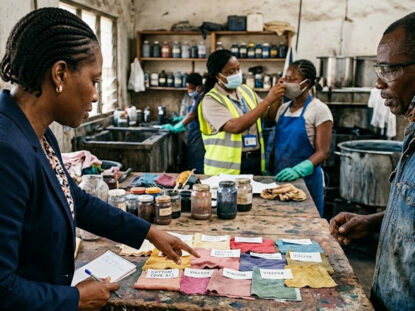
Fashion intersects with governance in ways that shape environmental impact, labor conditions, and consumer choices. Thoughtful policy can accelerate sustainable materials adoption, incentivize circular business models, and improve transparency across supply chains. Policymakers, industry leaders, and civil society all have roles to play in balancing economic vitality with ethical standards. This article outlines practical policy priorities to guide more responsible fashion systems.
Policy levers for circular and low-impact production
Regulatory measures and incentives can shift production toward lower-impact materials and longer-lived garments. Standards for textile recyclability, extended producer responsibility schemes, and targeted research funding encourage innovation while reducing waste. Fiscal tools, such as tax credits for sustainable inputs or penalties for excessive disposal, can change cost calculations for manufacturers and retailers. Together, these levers align business incentives with environmental goals and create clearer market signals for sustainable design.
Designing policy to reward durability and repairability also supports a transition to circular models. Clear labeling and lifecycle disclosures make sustainable options easier for consumers to identify, further amplifying positive effects.
Protecting workers and strengthening supply chain transparency
Labor rights and occupational safety must be central to any responsible fashion agenda. Policies that require transparency in supplier networks, regular independent audits, and enforceable remediation mechanisms reduce risks of exploitation. Public procurement standards and trade policy can be used to promote ethical sourcing while protecting small producers from unintended burdens. Strengthening access to grievance procedures and capacity-building programs empowers workers and suppliers to meet evolving expectations.
Crucial to this effort is alignment between regulatory requirements and support for compliance, ensuring smaller firms can participate without being squeezed out of markets.
Public procurement, consumer policy, and civic engagement
Governments and large institutions can use procurement to create demand for sustainable and ethical apparel, setting specifications for lifecycle performance and supplier standards. Consumer policy, including education campaigns and clearer disclosure rules, helps shoppers make informed choices and supports market differentiation. Engaging civil society and worker organizations in rulemaking increases legitimacy and helps identify practical enforcement strategies. These approaches encourage a culture of responsibility across the entire purchasing chain.
Ultimately, participatory policy development improves durability and acceptance of regulations while helping avoid one-size-fits-all mandates that can cause distortion.
Conclusion
Coherent policy frameworks that combine incentives, standards, and stakeholder engagement can accelerate a fairer and more sustainable fashion sector. Practical measures addressing materials, labor, and procurement create measurable progress without stifling innovation. Careful implementation and ongoing evaluation will keep strategies responsive and effective.