Sustainable fashion has moved from niche concern to a topic that influences local political agendas and community priorities. Citizens increasingly link clothing production and consumption to broader issues like labor standards, environmental impact, and urban planning. This attention shapes how voters evaluate candidates and local policy proposals related to zoning, waste management, and small business support. Understanding these dynamics helps advocates and policymakers engage meaningfully with constituents on practical solutions.
Local conversations about sustainability are pragmatic and action-oriented. They often focus on measurable outcomes such as reduced waste, job opportunities in circular economies, and transparency in supply chains. Because fashion intersects with daily life, it becomes an accessible entry point for civic engagement. The following sections outline how sustainable fashion influences regulation, organizing, and economic priorities at the local level.
Policy and Regulation
Municipal governments are starting to consider regulations that touch the apparel sector, including textile recycling mandates, incentives for repair businesses, and procurement standards for public institutions. These policies usually aim to reduce waste streams and encourage local entrepreneurship in repair and resale. Planners and officials must balance environmental goals with business viability and enforcement practicality. Clear metrics and pilot programs help translate broad sustainability goals into workable ordinances and incentives.
Effective regulation relies on stakeholder input and adaptable frameworks. Engaging local designers, retailers, and waste managers early reduces friction and improves outcomes. When policies are co-created, compliance rises and unintended consequences diminish.
Community Organizing and Advocacy
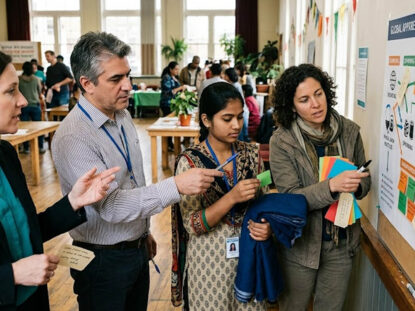
Grassroots groups use sustainable fashion as a platform to build broader coalitions around labor rights, environmental justice, and economic resilience. Events such as repair cafes, clothing swaps, and transparency workshops bring diverse residents into civic spaces. These activities create informal education channels and generate data that advocates can use to influence council decisions. Organizing around visible, relatable practices helps sustain momentum beyond single-issue campaigns.
- Repair cafes that document participation and diversion rates.
- Coalitions that partner with schools and local businesses for outreach.
Such initiatives foster civic trust and produce tangible evidence for scaling successful programs. They also create models that other communities can adapt.
Economic Impacts and Voter Priorities
Attention to sustainable fashion reshapes local economic priorities by highlighting circular business models and workforce development. Voters increasingly favor candidates who support training for repair skills, incentives for ethical startups, and infrastructure for textile reuse. These preferences influence budget allocations and economic development strategies. Sustainable fashion becomes a lens through which communities evaluate long-term resilience and quality of life.
Shifts in consumer behavior and municipal support can create new local jobs and attract socially minded entrepreneurs. Aligning economic goals with sustainability helps build durable political support.
Conclusion
Sustainable fashion offers concrete pathways for civic engagement and policy innovation at the local level. By connecting daily choices to public priorities, it helps reframe political debates around practical outcomes. Communities that integrate sustainability into governance can foster resilient economies and more inclusive participation.